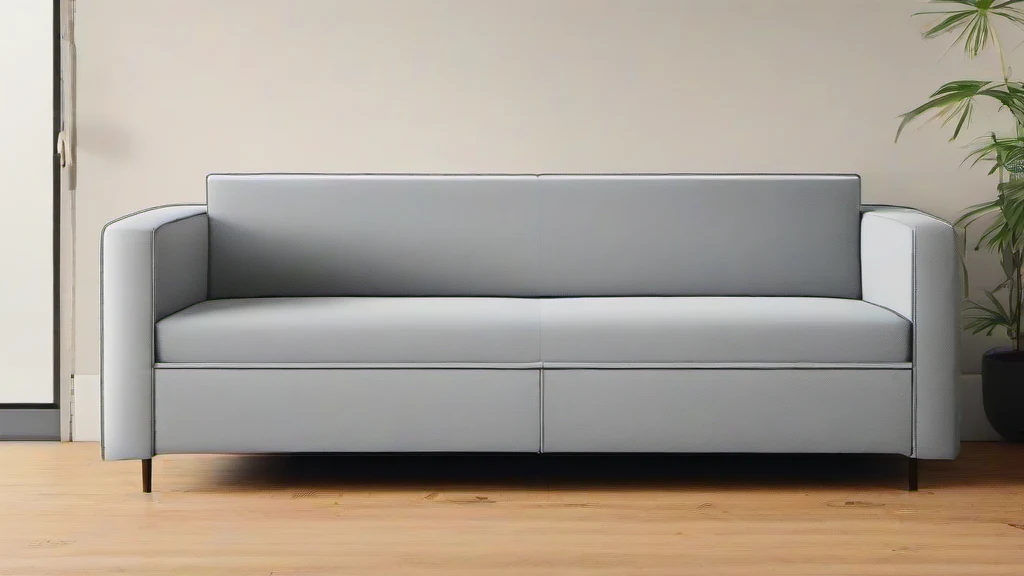
A low-priced sofa may look like a tempting alternative to a custom-made piece, but designers say the difference can show up in how it is built and how well it holds up. Four details can help shoppers judge whether an affordable sofa is likely to be a good buy: its seams, cushion spacing, legs and seat support.
Start by checking where the fabric joins. Designer Barrett Oswald advises looking for straight seams and piping that stays aligned with the cushion edges. Pulling or puckering fabric, uneven trim and poorly finished seams can point to weak construction.
Next, look at how the cushions fit together. They should meet neatly, without noticeable gaps or overlapping edges. Poorly fitted cushions may become more troublesome with use, affect comfort and leave spaces where items can fall.
The sofa’s legs are another clue. Oswald recommends checking that they are sturdy, rather than relying on imitation wood that may look conspicuous or prove less durable. Solid wood or metal legs can indicate a more substantial build.
Finally, test how the cushions respond when you sit down. Lauren Brantley, founder and principal designer of Lauren Ashley Design, says a supportive sofa should give a little without letting you sink through the padding and feel the frame. Pressing a cushion can also show whether it springs back. Some inexpensive sofas may instead feel too hard, she notes.
A cheaper sofa can still be a sensible choice for a playroom, basement or another space where spills and stains are likely. Oswald also says a less expensive option may suit a bedroom or home office loveseat that will only be used occasionally.
Sources: Apartment Therapy.