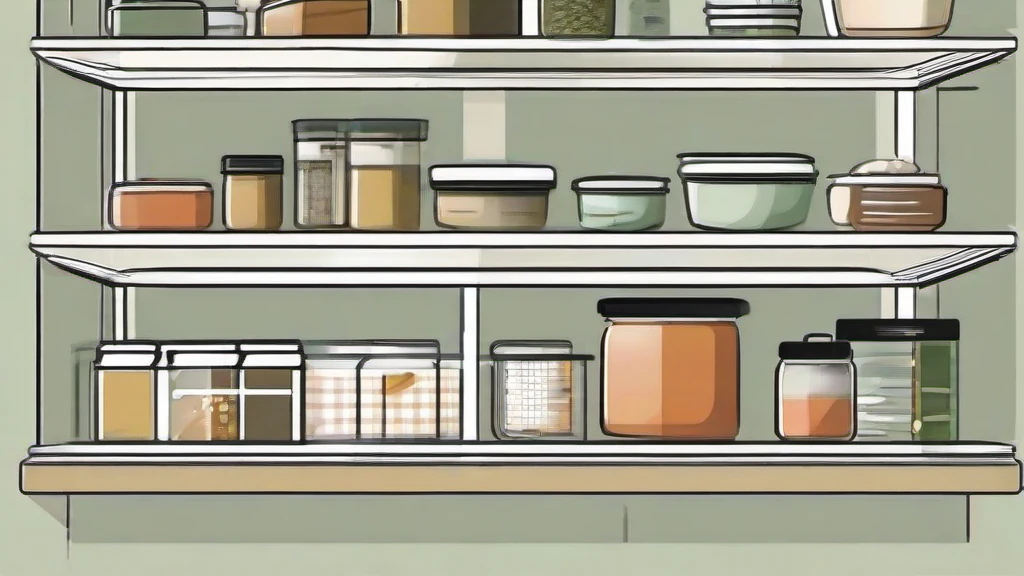
Professional organizers recommend tackling pantry clutter in six stages: empty and clean the shelves, sort food into categories, choose storage that fits the space, arrange items by how often they are used, add labels and schedule regular resets.
First, remove everything from the pantry and check dates and condition. Discard food that is expired, stale or no longer edible, then wipe the shelves, clean storage containers and sweep the floor. Shelf liners can help protect surfaces and make later clean-ups easier, organizer Catherine Benson says.
Next, group items in a way that suits your shopping and cooking habits. Canned goods, pasta and baking ingredients can each have their own categories, or ingredients for particular meals can be kept together. Lisa Eckerle, owner of The Designer Organizer, says a combination of meal-based zones and food-type categories can work well.
Before buying containers or other organizers, measure shelf width, depth and height. Risers can make canned goods easier to see, while turntables help use corners and keep items from disappearing at the back. Baskets or clear containers can contain snacks and dry goods, according to organizer Megan Barnhart. Turntables can also hold frequently used items such as oils, sauces and spreads.
When putting food back, place frequently used items near the pantry door or in the center, and keep backup supplies or less-used items farther back or to the sides. Eckerle recommends storing heavy or seldom-used small appliances between knee and shoulder height rather than on the top shelf or floor. Shelf placement can also be adjusted to keep certain items out of reach of children or pets.
Labels can help household members return items to the right place. A label maker is one option, though stickers and a marker can also be used, Barnhart says.
To maintain the setup, Eckerle suggests a light reset after each grocery trip and a more thorough review every three months. That review can include checking expiration dates, removing opened food and getting rid of or donating items that are no longer part of the household’s menu. Seasonal changes in ingredients and cooking habits may also call for rearranging the pantry.
Sources: Architectural Digest.